
Foundational Training
Foundational Practitioner Training
Sound Practitioner
Certification
Learn how to move beyond playing instruments and begin facilitating complete sound experiences with intention, structure, and care.
This two-day certification brings together sound science, instrument practice, nervous-system education, trauma-informed principles, ethical facilitation, and hands-on practice.
Certification
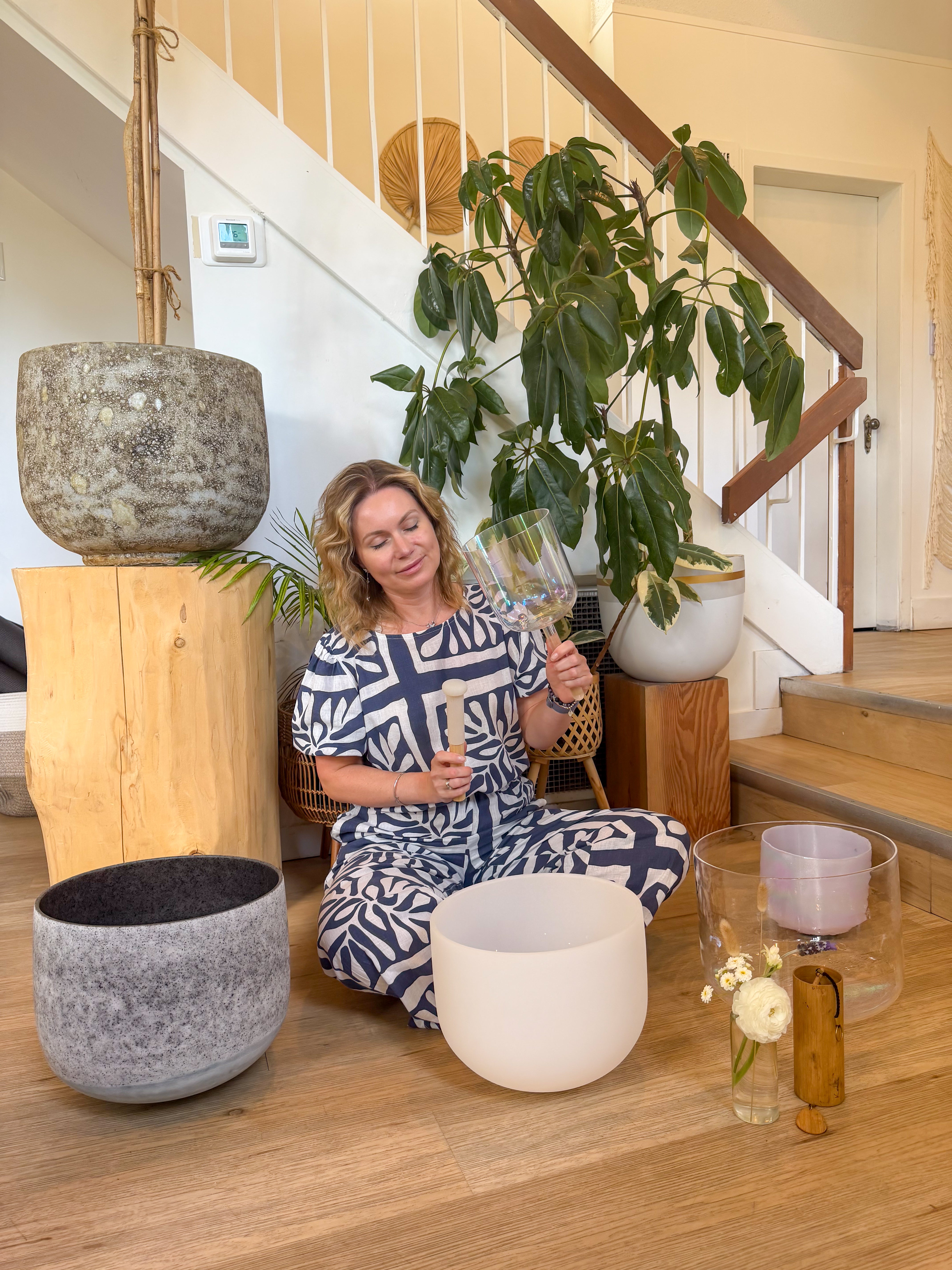
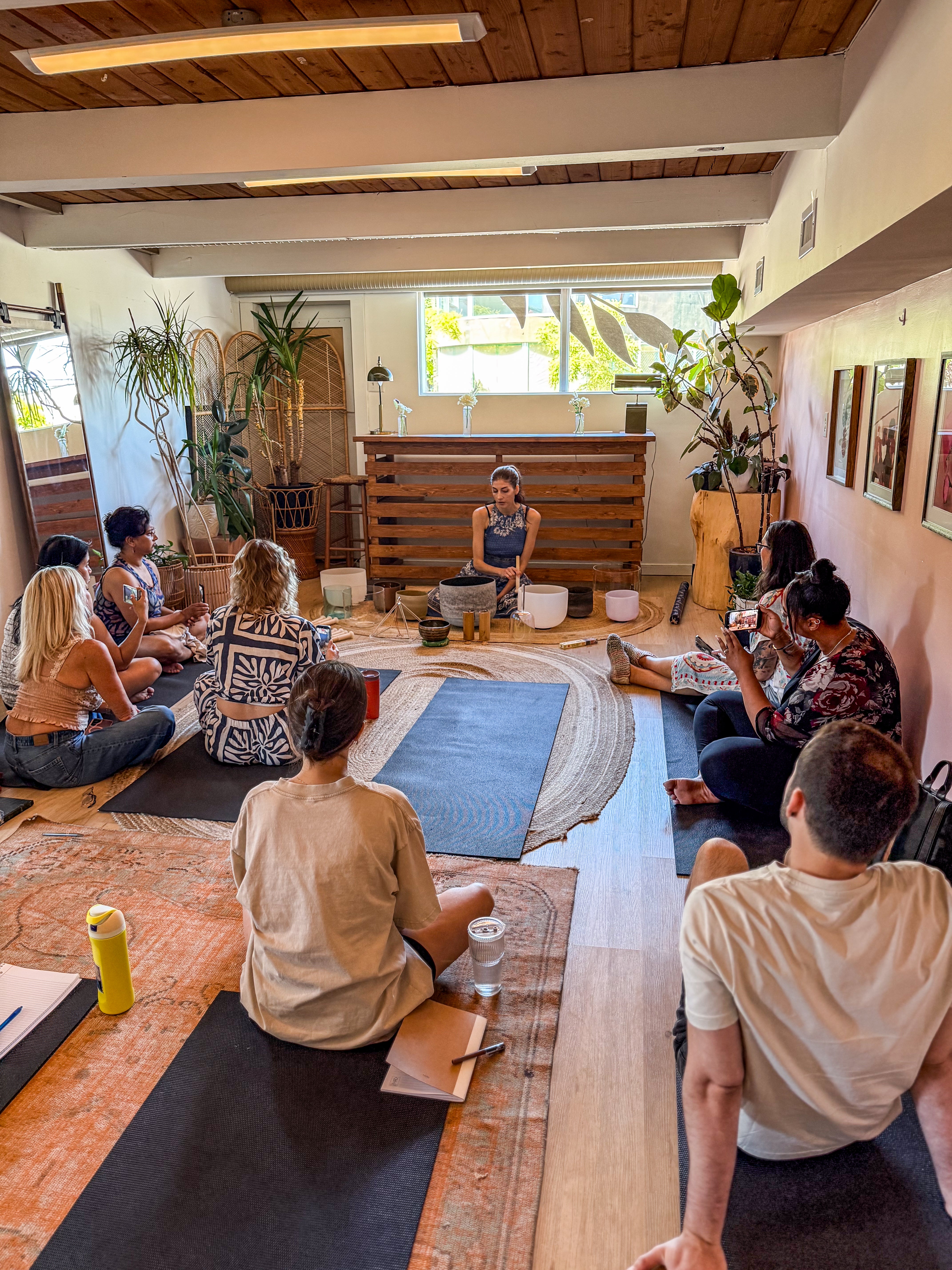
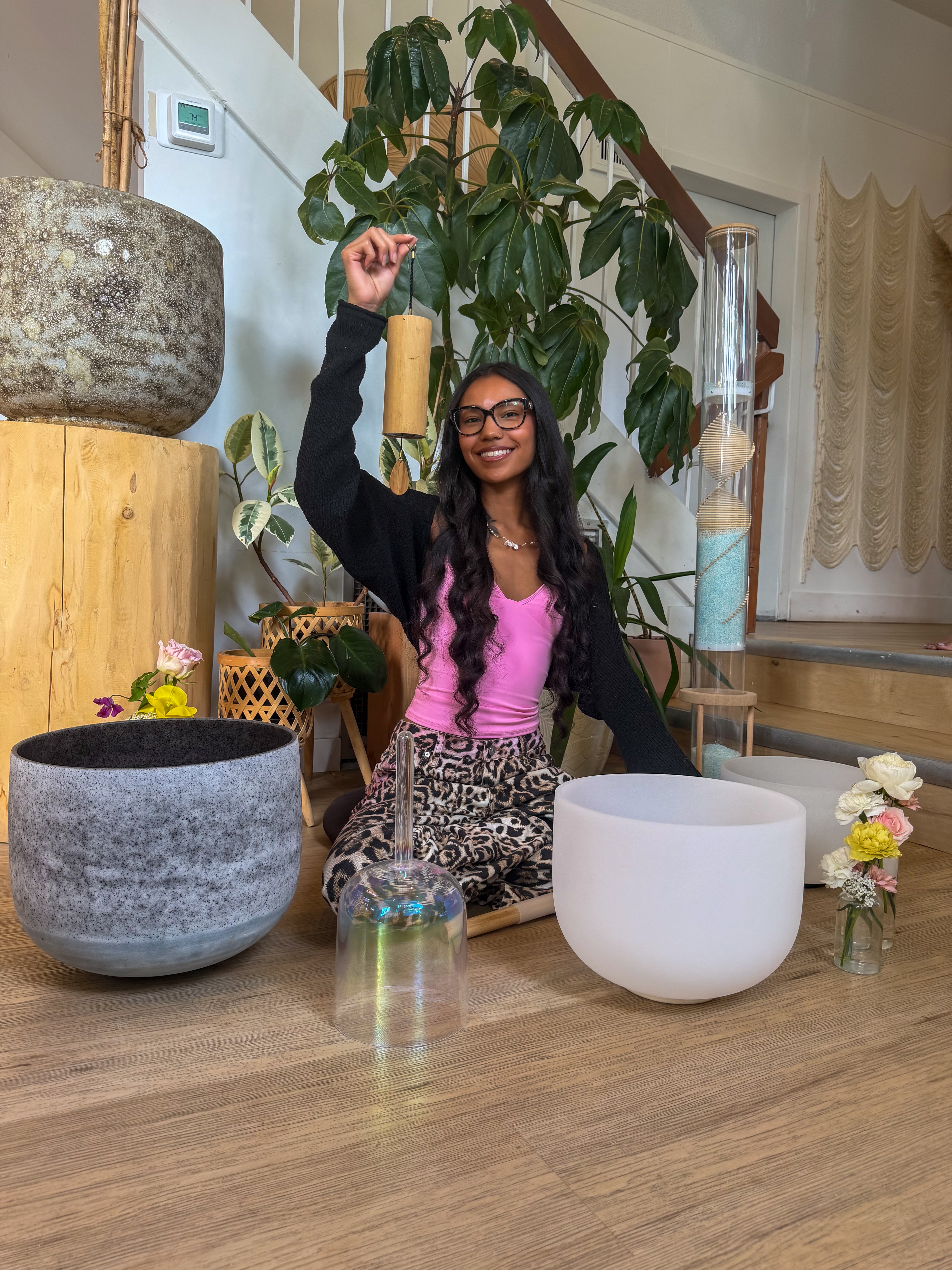
The Mystic Meditations Method
Sound healing as both an art and a responsibility
Mystic Meditations teaches sound through the combined lenses of science, nervous-system awareness, ethics, instrument practice, and experiential learning.
Choice Is Regulation
Choice supports agency and participation. Students learn to use invitations rather than commands and to preserve choice throughout a session.
Sound Is Not Neutral
Volume, rhythm, proximity, silence, language, and pacing can affect each person differently.
More Sound Is Not More Healing
Intensity is not the same as effectiveness. Restraint, pacing, silence, and integration are part of the practice.
The Facilitator Creates Conditions, Not Outcomes
Practitioners cannot promise what another person will feel. They can facilitate responsibly, remain within scope, and make space for individual response.
The Somatic Sound Arc
A framework for designing a complete sound session
Students learn a framework for shaping the movement of a sound experience.

Core Curriculum
What students learn
A grounded introduction to sound science, the nervous system, fascia, history, ethics, instruments, vocal toning, and the principles of safe, responsible sound facilitation.
Sound Science + the Body
Sound, vibration, frequency, resonance, harmonics, acoustics, and how mechanical vibration is experienced through the auditory and sensory systems.
Nervous-System + Sensory Awareness
How sound, rhythm, silence, pacing, and stimulation may influence individual experience, with an introduction to interoception, proprioception, and nervous-system responses.
Fascia + Mechanical Vibration
An evidence-informed introduction to fascia, connective tissue, mechanosensitivity, and what current research can and cannot tell us about vibration and the body.
The Voice as an Instrument
Vocal toning, breath, resonance, and using your own voice alongside crystal singing bowls and other sound instruments.
History + Cultural Context
The history, development, and cultural context of sound-based practices.
Trauma-Informed Facilitation
Consent, choice, orientation, pacing, accessibility, participant autonomy, and creating conditions that support safe participation.
Ethics + Scope
Responsible language, contraindications, client management, professional boundaries, practitioner scope, safety, and referral awareness.
Session Design
How to shape a complete sound experience through intentional instrumentation, pacing, silence, transitions, and integration.
Practice + Assessment
Supported facilitation practice, peer observation, structured feedback, and assessment of foundational practitioner competency.
Training Format
Two days of theory, practice, and facilitation
The first day builds the foundation. The second brings the learning into guided, hands-on practice.
Day One
Foundations, Sound Science + Theory
- Foundations of sound + vibration
- Sound, the body + nervous system
- Instruments + technique
- Ethics, safety + scope
- Trauma-informed principles
Day Two
In-Person Facilitation Practicum
- Session design + facilitation
- Hands-on practice with instruments
- Consent + participant safety
- Instructor + peer feedback
- Practical competency assessment
“I left feeling inspired, empowered, and excited to continue exploring this path.”
“My heart is full, and I am leaving with so much more than new skills.”
“The content went far deeper than I anticipated, in the best possible way.”
“What stood out to me most was your authenticity, knowledge, and the intention you bring to this work.”
“Learning sound healing from you felt like a gift."
Certification Standards
What a Mystic Meditations Certification means
Certification reflects the completion of the foundational training and the demonstration of beginning competency in ethical, nervous-system-informed sound facilitation.
A foundation for responsible practice
Certification is not based on attendance alone. Students participate in guided practice and demonstrate an understanding of the foundational principles taught throughout the training.
The intention is not perfection. It is thoughtful preparation, responsible practice, and a clear foundation from which to continue learning.
Students are expected to demonstrate:
- Ethical and responsible language
- Consent and participant choice
- Basic session structure
- Instrument familiarity
- Nervous-system awareness
- The ability to open and close a session
- An understanding of practitioner scope
- Foundational facilitation confidence
Certification reflects a beginning level of practitioner preparation. It is not a medical, psychological, or clinical qualification.
Continued Support
Included Graduate Practitioner Portal
Learning continues after the in-person training. Students receive access to resources, continued education, practitioner discussion, and ongoing community support.
Resources
- Training workbooks
- Practitioner reference guides
- Replay and review materials
- Continued learning resources
Community
- Practitioner questions and support
- Community discussion boards
- Student wins and reflections
- Ongoing connection after training
Registration
Choose your certification option
Register for the foundational certification on its own, or choose the certification package that includes a crystal singing bowl for continued practice.
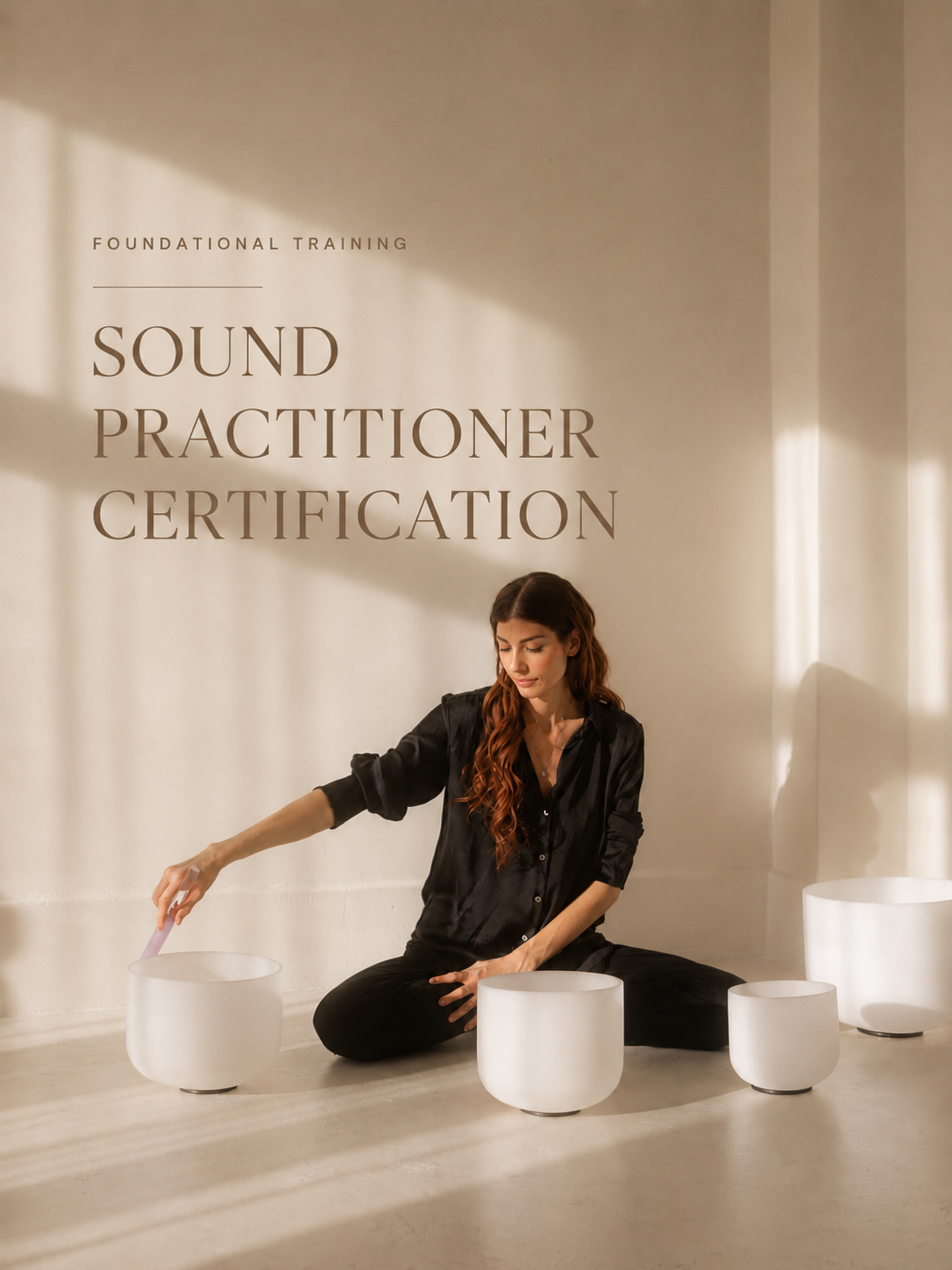
Questions before registering?
Ask Kasia
Not sure which training is right for you, or have a question before registering?
Tell me a little about your background, what you hope to learn, and which training you’re interested in.